
Act now to stay ahead of the 2027 marketing shifts.
The brands communicate, connect, and build trust with their audiences and brand recast in the next years. Marketers need to rethink their conventional tactics due to the rapid advancements in artificial intelligence, changing customer behaviour, more stringent data protection regulations, and the emergence of platform-first experiences. What worked well in the past—depending on third-party data, channel-specific strategies, and mass messaging—will no longer be enough.
The more smart marketers are already pivoting to more adaptive, and technology approaches are waiting for these changes to arrive. Brands must understand where attention is moving, how decision-making is evolving, and what abilities they need to build today they need to be competitive, relevant, and truly competitive in 2027 and beyond. The future of marketing will change the just trends.
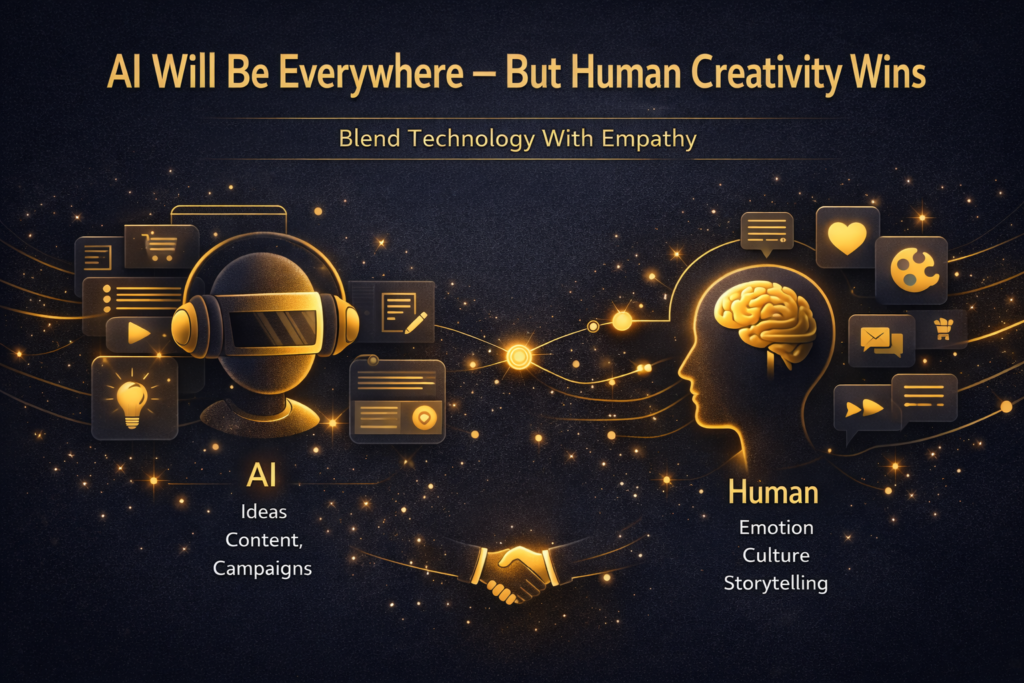
AI will be everywhere But Human Creativity Will Win
AI is the baseline; it is the future. Generative AI will be deeply embedded with operational, strategic, and creative workflows by 2027.
What this means for you:
- Automate will be in routine content creation and optimization.
- AI will generate scripts, captions, creatives, and even media plans.
- The most powerful elements – such as empathy, cultural nuance, and storytelling—will the out most.
Act in now with teams that blend real emotional intelligence with AI-augmented efficiency.
The Zero-Click Era Gets Real
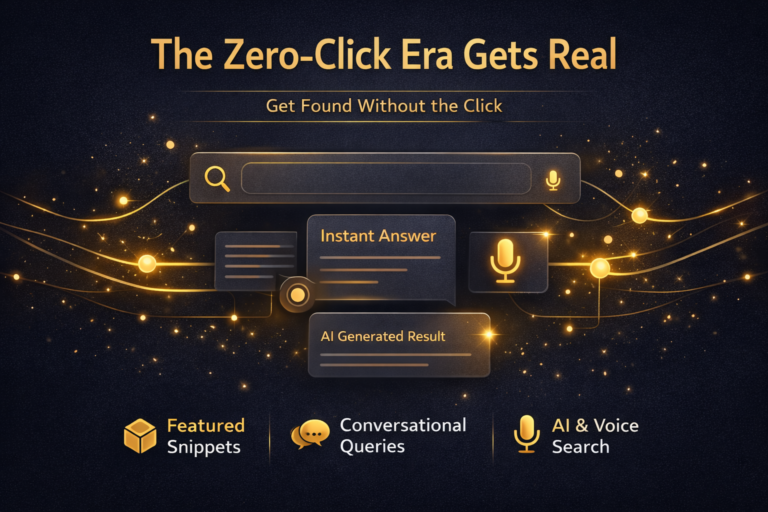
Users’ search behaviour continues evolving; users want answers without clicking on links. Visits to traditional sites are reducing to voice assistants, AI summaries, & SERP features.
What marketers should do:
- optimize for voice search, long-tail conversational queries, and featured snippets.
- Build content that answers for questions before users ask them.
- We are talking about brand visibility, in the world of Alexa and Siri and Google AI.
- Act now action and an audit on your SEO for structured data and semantically rich content.
Now, Hyper-Personalization Is Essential
Consumers expect experiences to a tailored to their context not just their demographics.
Content will presented as brands based on:
- Real behaviour
- Triggers in shopping
- Signals in predictive intent
This is expected no creepy, But it only works if done so a respectful and transparent .
Action act : purchase in consent-driven personalization engines and first-party data.
Commerce Continues to Decentralize
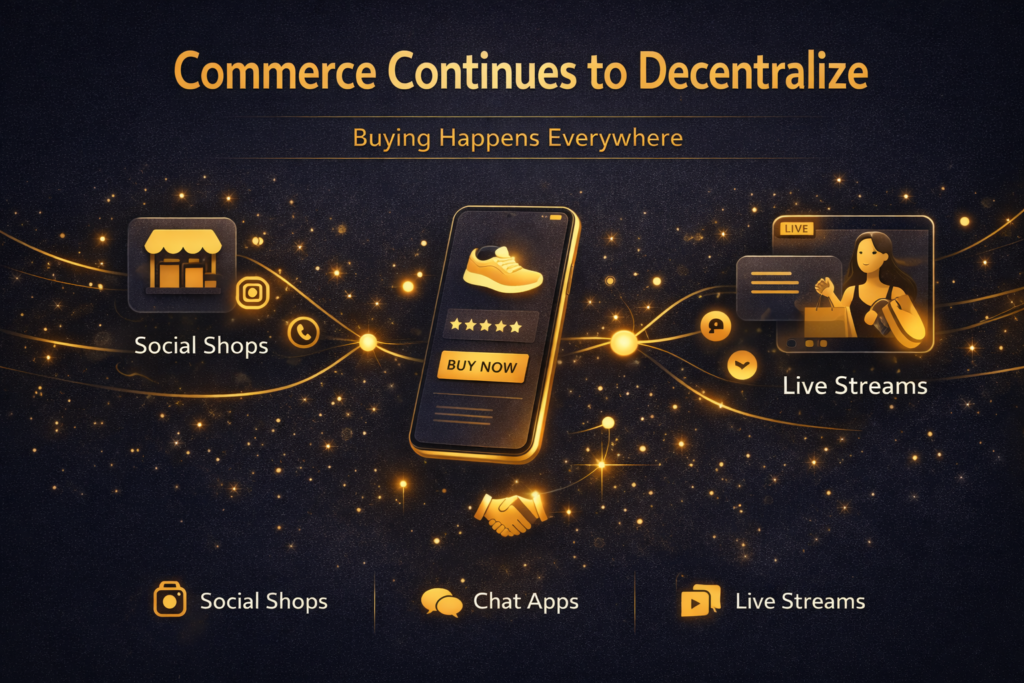
E-commerce stores is no longer the one environment to shop. By 2027:
- More B2C spend will be derived out of social commerce.
- Conversational commerce through social DMs like direct messages, a chat, and bots will grow.
- Events with live shopping will stimulate engagement.
- Marketing must convert on the same platform where attention lives for marketing to deliver more than just drive awareness.
- Act in swift action and create commerce flows inside online social networks Instagram, WhatsApp, TikTok, and others.
Data privacy is still important.
Data privacy is foundation to customer trust, as opposed to a trend on rules. Marketers have to work with less third-party data as platforms progressively restrict tracking and cookie deprecation increases.
Winners will be those who:
- Use clean first-party data
- Build secure identity graphs
- Clearly communicate about the use of data.
Act action now : using privacy-first analytics and conducting an audit of your data practices.

Final Thought
In a fast-changing digital world in 2027, mastering a single tool isn’t the same as mastering adaptability. Brands that succeed will use AI in order to scale human creativity, insight, and efficiency and not to replace people.At every touchpoint they will prioritize transparency, trust and data privacy to respect what customers want. They focus on building communities that create loyalty and long-term engagement. This is of just trying to reach a lot of people. They want customers to be in control.They care about customers. Want to build trust. To do this they share information openly. They also protect customer data.
By focusing on communities they aim to keep customers engaged for a long time. This approach helps build loyalty. It also helps create an experience, for customers. Where people already spend their time—in social platforms and conversational platforms and conversational channels will happen. Aggressive selling will will matter more than seamless, meaningful experiences. Strategic marketers don’t wait for the future, strategic marketers actively shape and build it.